The failure of a dental implant is a challenging situation for both the dentist and the patient. Between 5% and 10% of cases may present complications that may be due to several factors, such as infections, lack of osseointegration, among others.
Recognizing the risk factors and acting early is crucial. In addition, an adequate and methodical approach not only allows to solve the problem, but also to prevent future failures.
What is an implant?
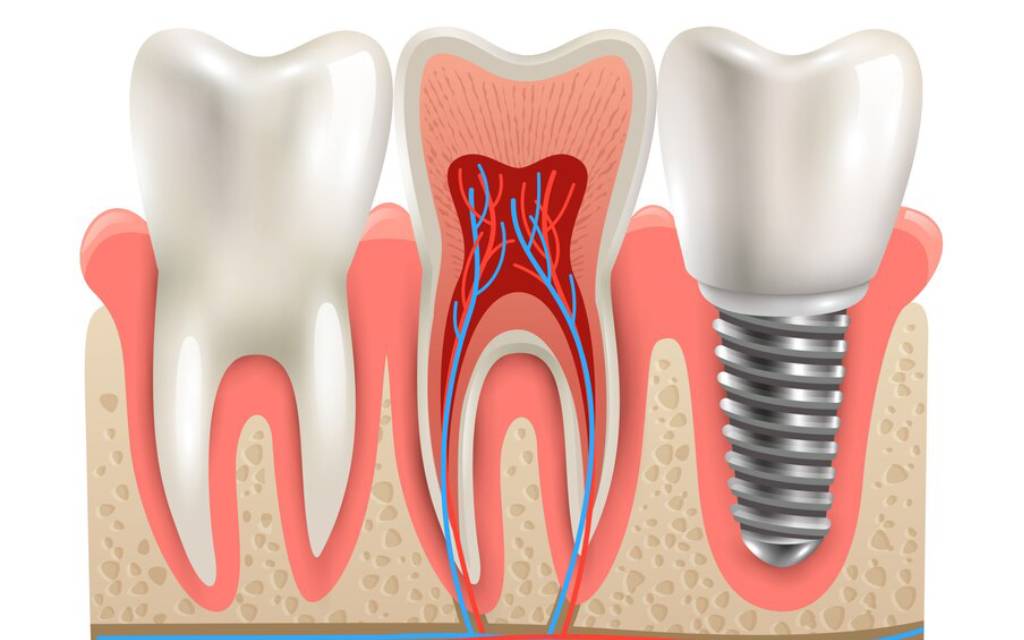
A dental implant is a titanium screw, biocompatible, which is inserted into the jawbone to replace missing teeth, acting as an artificial root that fixes and fits the prosthesis.
Titanium is the most commonly used material, as it has the ability to efficiently integrate with the bone through a process called osseointegration, where the bone adheres to the implant, guaranteeing stability and durability.
They are a very effective and long-lasting solution for patients who have lost one or more teeth, improving not only dental esthetics, but also functionality.
5 causes of dental implant failure
Although implants are considered an effective and durable solution for tooth loss, several factors can contribute to their failure:
- Appearance of peri-implantitis: An infection that affects the tissues around the implant. It is characterized by inflammation of the gums and bone loss, which may compromise the stability of the implant.
- Implant overload during the osseointegration phase: During the osseointegration phase, the implant must integrate properly with the surrounding bone. Overloading occurs when excessive force is applied to the implant before this connection has been established.
- Complications during osseointegration: The process by which bone attaches to the implant. Several complications can interfere with this process, such as infections, implant displacement or bone quality problems.
- Poor or non-existent oral hygiene: can lead to plaque and bacteria accumulation around the implant, increasing the risk of infections and peri-implantitis.
- Smoking: A significant risk factor for dental implant failure. Smoking affects blood circulation, which can reduce blood flow to oral tissues, impairing healing and osseointegration.
Steps a dentist should follow
When a dental implant fails, it is essential that the dentist follow a methodical and systematic approach to address the situation. The following will outline the steps a dentist should follow to evaluate and treat an unsuccessful dental implant, thus ensuring the best possible care for the patient.
1. Initial Evaluation
The initial evaluation is a critical step, providing the basis for determining the most appropriate treatment and ensuring the patient’s future well-being. It is vital that the dentist performs a detailed analysis to understand the patient’s situation and the condition of the implant, the following steps should be followed:
- Identification of the Cause: It is essential to determine the cause of implant failure. Causes may include infections, lack of bone integration, mechanical overload, systemic diseases, or technical problems during placement.
- Clinical Examination: Perform a thorough physical examination to evaluate the condition of the implant, peri-implant tissue and general oral health of the patient. Observe any signs of inflammation, pain or discharge.
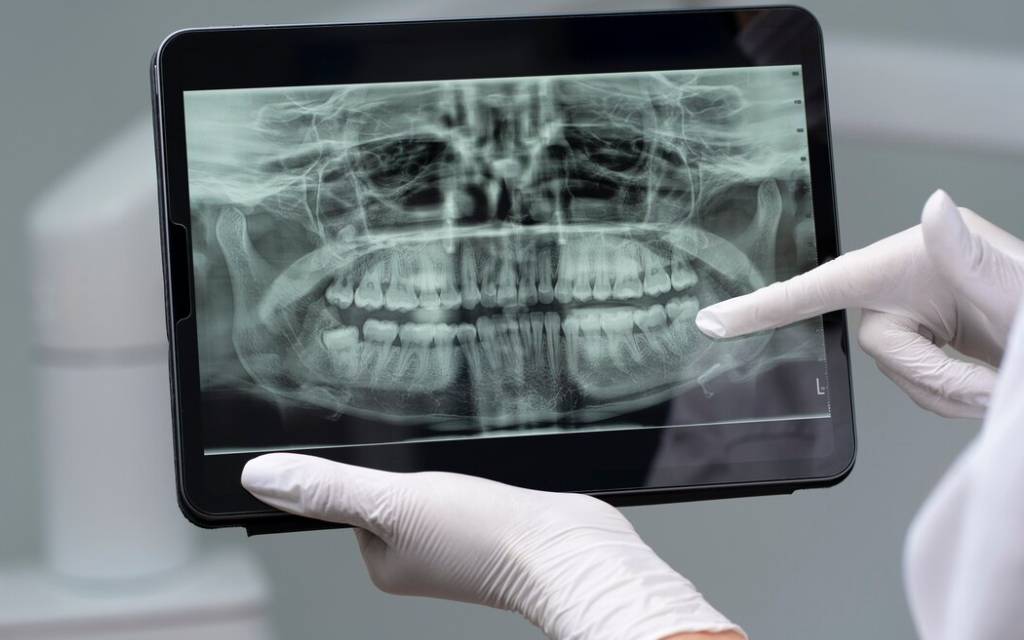
- Radiographs: Use periapical and panoramic radiographs to evaluate the status of the implant and the condition of the surrounding bone. This can help identify problems such as bone loss.
2. Patient communication
After performing the initial assessment, it is essential to inform the patient about the situation, and explain the possible causes and consequences:
- Inform the patient: Clearly and honestly communicate the situation to the patient, explaining the possible causes of failure and the options available to address the problem.
- Listen to Concerns: Give the patient space to express concerns and questions, showing empathy and understanding.
3. Treatment Options
Once the initial assessment has been conducted and the cause of failure has been identified, it is critical to know what treatment options are available. Establishing an appropriate approach that addresses the patient’s specific needs is crucial to ensure effective recovery. Depending on the causes identified and the evaluation performed, the dentist may consider the following treatment options:
- Implant removal: If the implant is infected or has not integrated properly, it may need to be removed. This is done carefully to preserve as much of the surrounding bone as possible.
- Treatment of infection: If there are signs of infection, it is essential to treat it appropriately. This may include the use of antibiotics and cleaning of the site.
- Bone regeneration: If there is significant bone loss, consider performing a bone regeneration procedure using bone grafts or membranes as part of a surgical technique to improve the bone bed.
- Placement of a new implant: Once the cause of failure has been addressed and the site has recovered, placement of a new implant can be considered. It is important to wait adequate time to allow the tissue to heal.

4. Maintenance plan
This step is extremely important to ensure the success and longevity of dental treatments, especially after implant placement. A maintenance plan should be established that includes two essential aspects:
- Regular Follow-up: schedule follow-up appointments to monitor the healing process and the health of the new implant (if one is placed).
- Care Instructions: Provide detailed instructions on oral care and hygiene to prevent future problems.
5. Recording and learning
As a final step, the clinical improvement process is based on two fundamental aspects:
- Case documentation: Record the case in detail, including identified causes of failure and decisions made. This is useful for continuous learning and improvement of clinical practices.
- Protocol Review: Evaluate whether treatment protocols or patient selection needs to be adjusted to prevent similar failures in the future.
Dental implant failure can be challenging, but an appropriate and organized response can help mitigate its effects. Careful assessment, clear communication with the patient and proper treatment planning are key to restoring dental health and patient confidence.
For this reason, we hope this article has been helpful in understanding how to deal with dental implant failure effectively. At Nart Clínica Dental, we have a team of experts in implant dentistry and oral health committed to offering personalized solutions for each case, guaranteeing the best possible care.